I’ve just completed my most recent Complete Camera Guide for the Nikon Z 5II, and in doing so I was reminded that it doesn’t take an expensive camera to get started or have fun with photography. The Z 5II, recently seen for sale for $1,600 (USD), is not exactly cheap, but it’s about as close as you can get with a modern full-frame new camera.
My first camera
I started out with a cheap camera. My first camera was a 110 Instamatic that I found on the Burke Gilman bike trail in Seattle. All 110 cameras were low end, but this one was really cheap, I’d guess maybe $25 brand new back in the day. It didn’t last long.
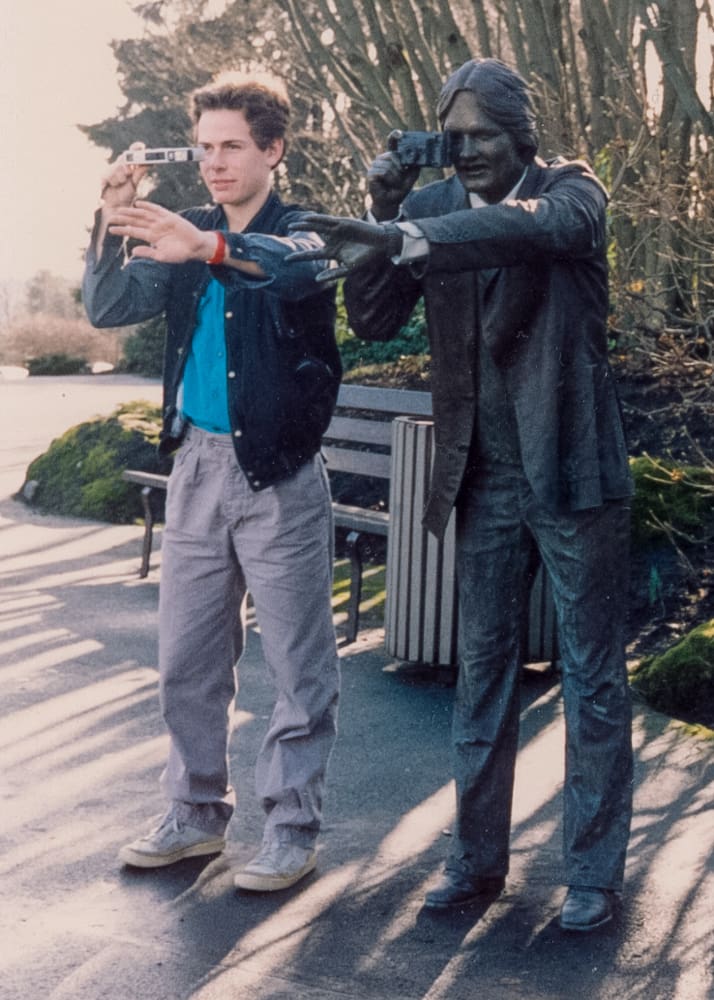
John Greengo in 1986 posing with his Minolta Autopay 460Tx in Vancouver B.C. Canada.
The upgrade
Seeing my early interest in photography, at age 12, my parents decided to upgrade my photographic experience. My second camera was a Minolta Autopak 460Tx — another 110 Instamatic camera. It was silver and black, featured a higher quality dual lens, with a large flash unit on the side. My bet is that it didn’t cost more than about $50, and that was my camera all through my high school years.
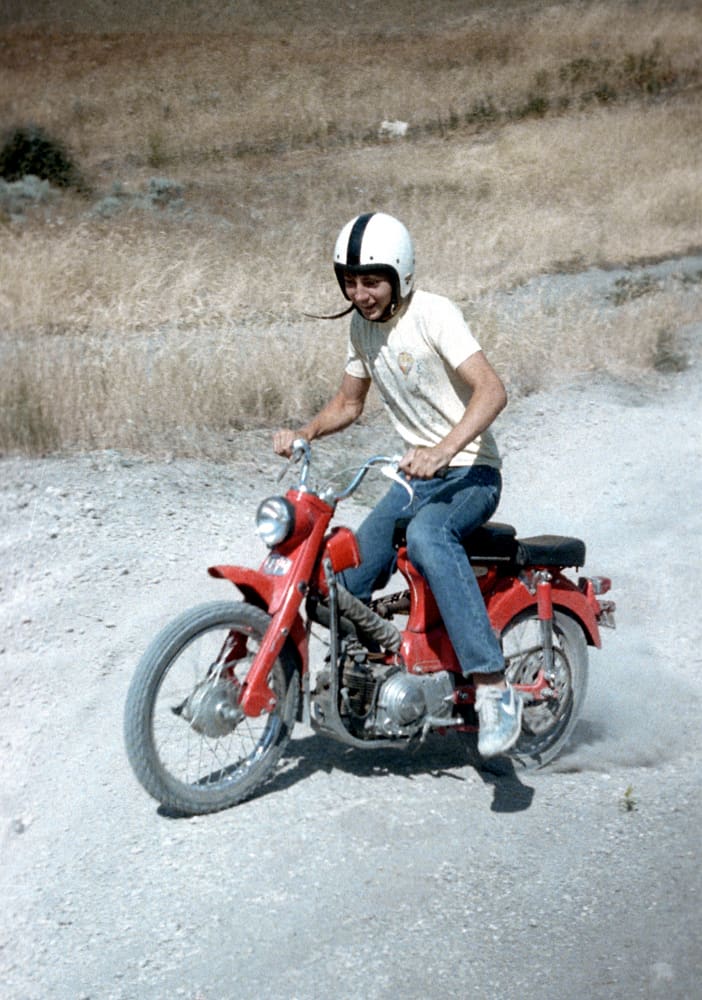
The 110 Instamatic was not a good camera for sports photography with no telephoto angle of view and a lens that rendered everything in focus. It did teach the photographer about the importance of point of view, background, timing and more.
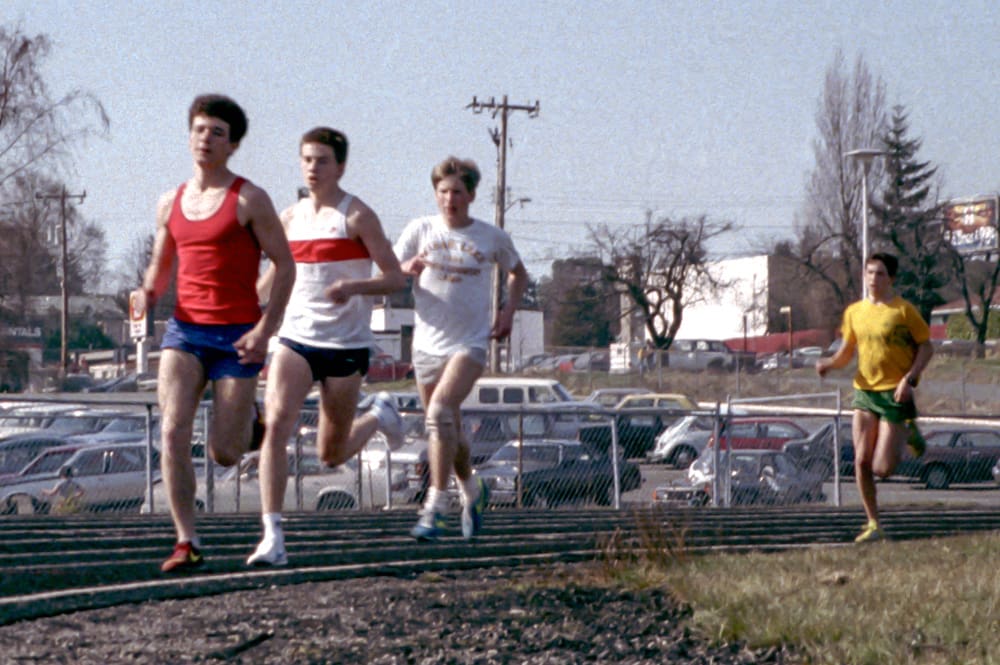
The “real” camera
Later in college, and after completing my first photography course, it was time to upgrade to a “real” camera — one with interchangeable lenses. With guidance from my photography instructor and my father, I determined that Nikon was the brand of choice for me. With an interest in sports and a desire to pursue a photojournalism degree I became aware of the Nikon F3 (cue heavenly music and a large choir), the top-of-the line professional Nikon of the day.
Photographers at the Seattle Times used the Nikon F3, Sports Illustrated photographers used the Nikon F3, National Geographic photographers used the Nikon F3, ergo I wanted a Nikon F3. In 1987 the Nikon F3 sold for $700, and that did not include the MD-4 motor drive that propelled the film at the top-of-the line professional speed of 4 frames per second; that was another $400. And let’s not include the requisite collection of lenses that would be required to fill a proper camera bag, which could easily add up to thousands of dollars.
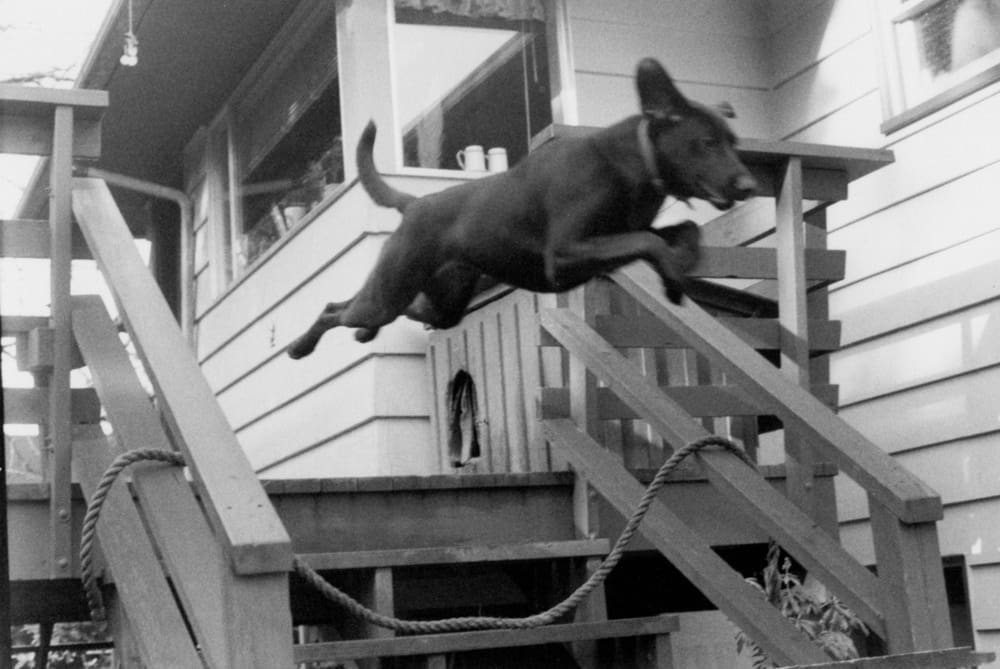
I didn’t have thousands of dollars; I didn’t have $700. I had a little savings from my paperboy days of earning $50 per month and I now mowed the occasional lawn for $10. My parents might have helped me with my previous camera, but I was on my own with this endeavor.
When I visited Cameras West on 4th Avenue in downtown Seattle with my Dad, I was told, for the first time, the price of the F3. I’m sure my eyes nearly burst their sockets. I remember walking out of the store, completely deflated. I felt like this new-found love of photography was not meant to be. How could I be a good photographer, if I didn’t use good equipment?
With nowhere near $700 (or more) to spend, I had to look at other options. Enter the Nikon N2000, the bottom-of-the-line, entry-level, beginner camera. It was the least expensive way to get you into the Nikon F-mount game. With this camera, and its F-lens mounting system, I could at least borrow lenses from school and, if I ever worked for a newspaper, from the pool gear.
The Nikon N2000, was actually a pretty good camera in retrospect. It was compact, lightweight, had a decent viewfinder, with an easy to read light meter. It took very common AAA batteries and featured a built-in motor drive that cranked out 2.5 frames per second. And best of all, it took F-mount lenses, which was like a ticket to the best party in town.
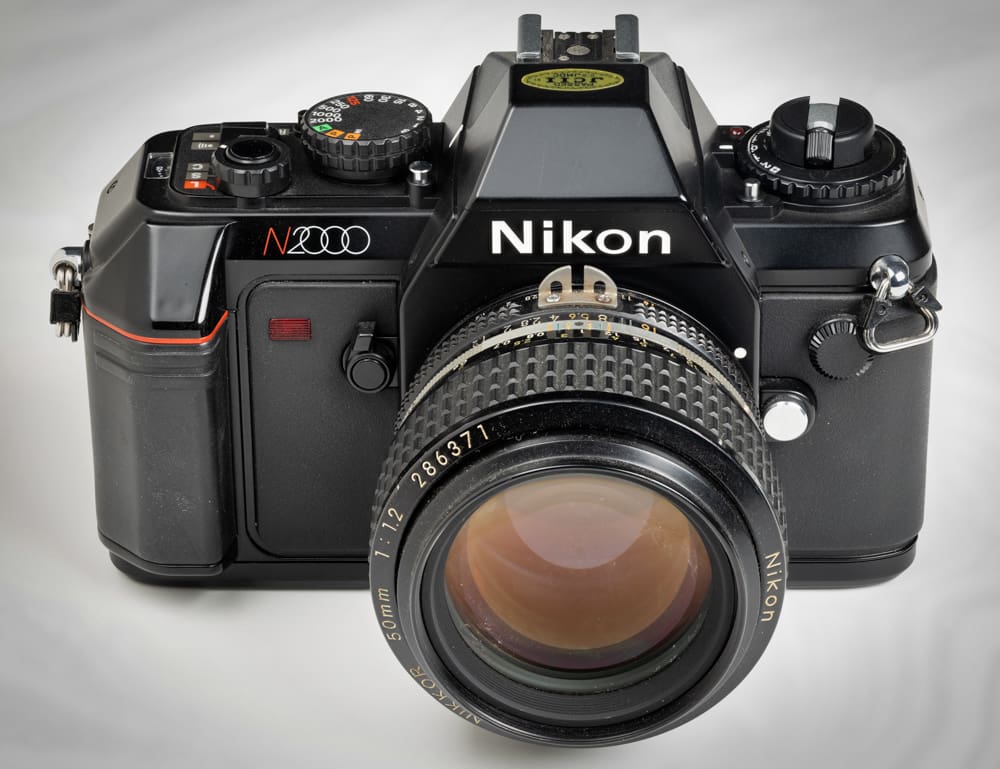
Nikon N2000, a basic camera good for learning, paired with a lens acquired much later in life.
At that time I couldn’t afford any Nikon lenses so I settled for a camera package that included two aftermarket Tokina lenses — a 35-70mm f/3.5-5.6, 70-210mm f/4.0-5.6 and a tele-converter. The lenses were bottom of the line and the tele-converter never yielded a sharp image for me.
My disappointment about the F3 faded as my excitement about having my own camera system became a reality. I vividly remember coming home from the camera shop, opening the boxes and attaching the lenses, and taking practice photos in the kitchen. My real photographic journey had begun.
That Nikon N2000 stuck around for quite some time. It was more than good enough for all my college photography courses, my work at the college newspaper and some of my work at the city newspaper. I learned a lot of lessons on that basic little camera, perhaps most importantly, that getting great photos usually has nothing to do with the camera that you have.
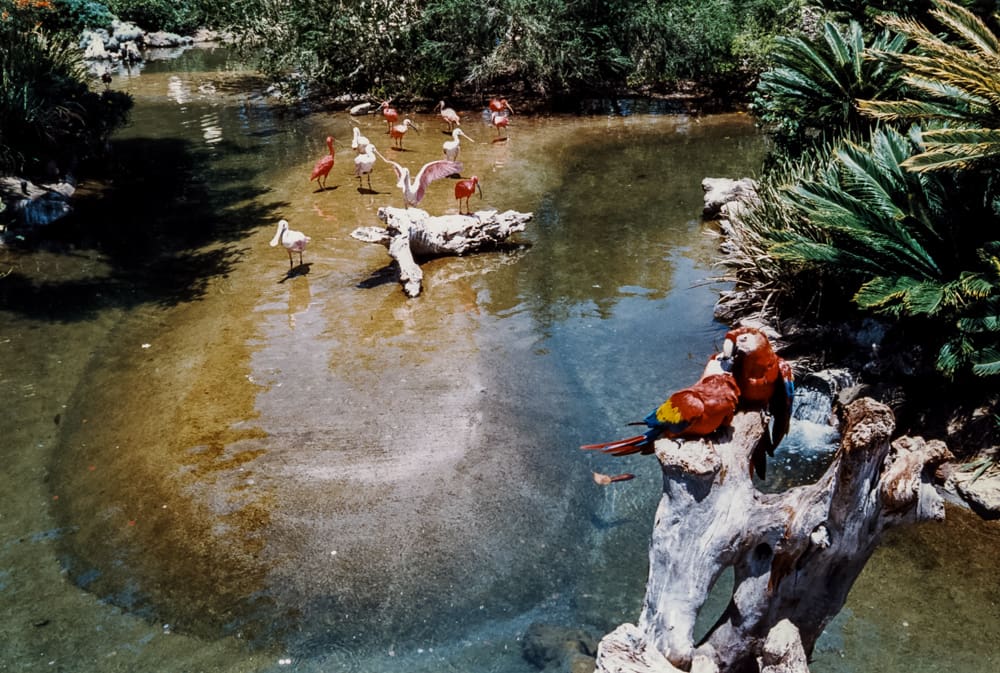
This image from the San Diego Wild Animal Park in California was one of my favorite images at the time (1987). I’ve got a few criticisms of it now, but it does show some nice balance and depth with a variety of interesting subjects.
The realisation
Years later I would choose the N2000, along with a trusty F3 that I was finally able to afford, for a pivotal adventure to Iceland. I had “better” cameras to choose from, but the little N2000 was more than enough for my needs. In that situation, having a small, easy-to-use camera that I could take everywhere and use in every situation, was more valuable than other more expensive cameras.
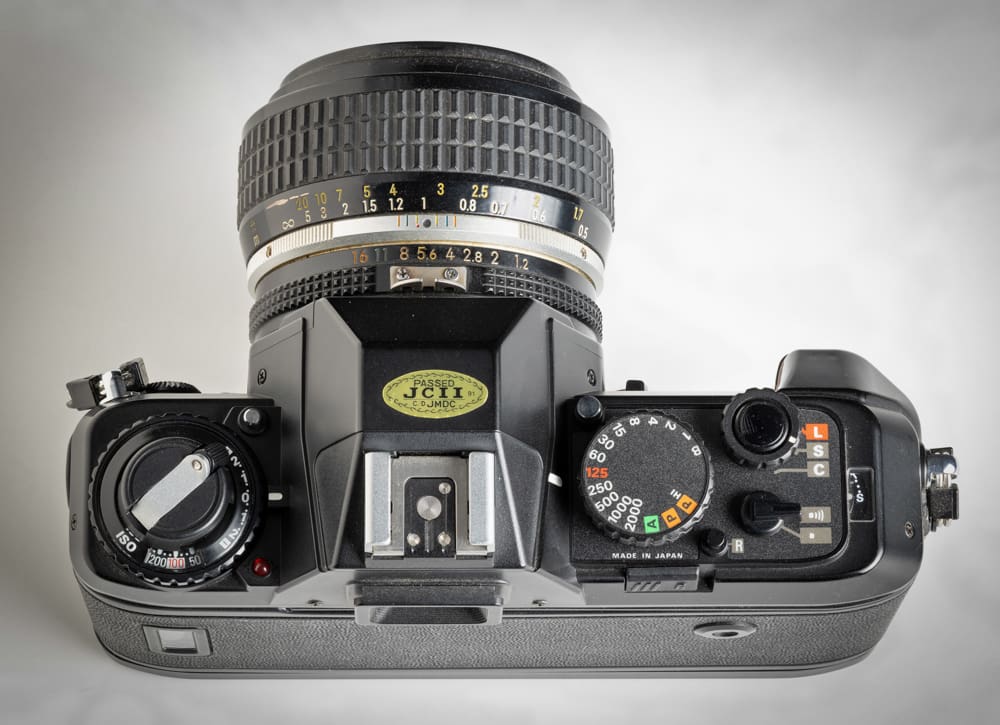
The N2000 featured basic controls that left a lot of learning to be acquired by the operator.
Shooting with the Z 5II today, the base-level full-frame Nikon, it brings me back to those early photography days. However the Z 5II is lightyears more advanced than anything I shot with in the 80’s or 90’s. The revolutionary changes from film to digital, and now from SLR to mirrorless, have brought so many features to even the most basic camera. How my 18-year-old mind would be blown by the Z 5II’s ability to shoot at 14 fps with a mechanical shutter and 30 fps with an electronic shutter.
It really is true – all modern cameras are great. That’s not to say that every camera is right for you. It’s just that any decent photographer should be able to get great results from any camera for a wide variety of photographs. There are some specialties: sports, macro, astrophotography, and more — that have certain requirements, but the average camera today is amazing.
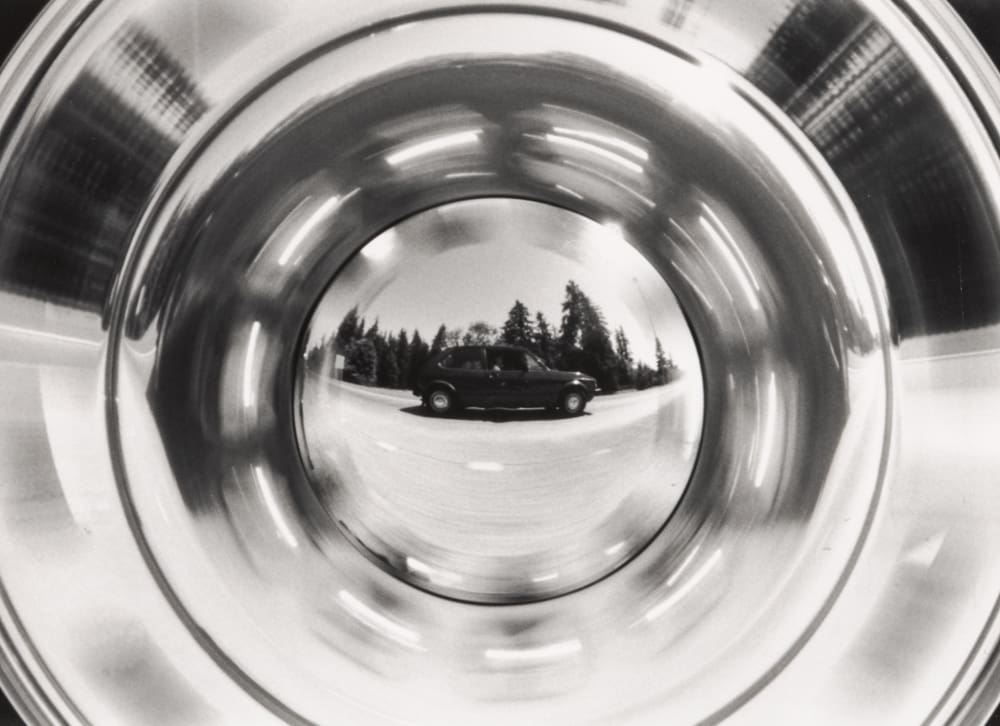
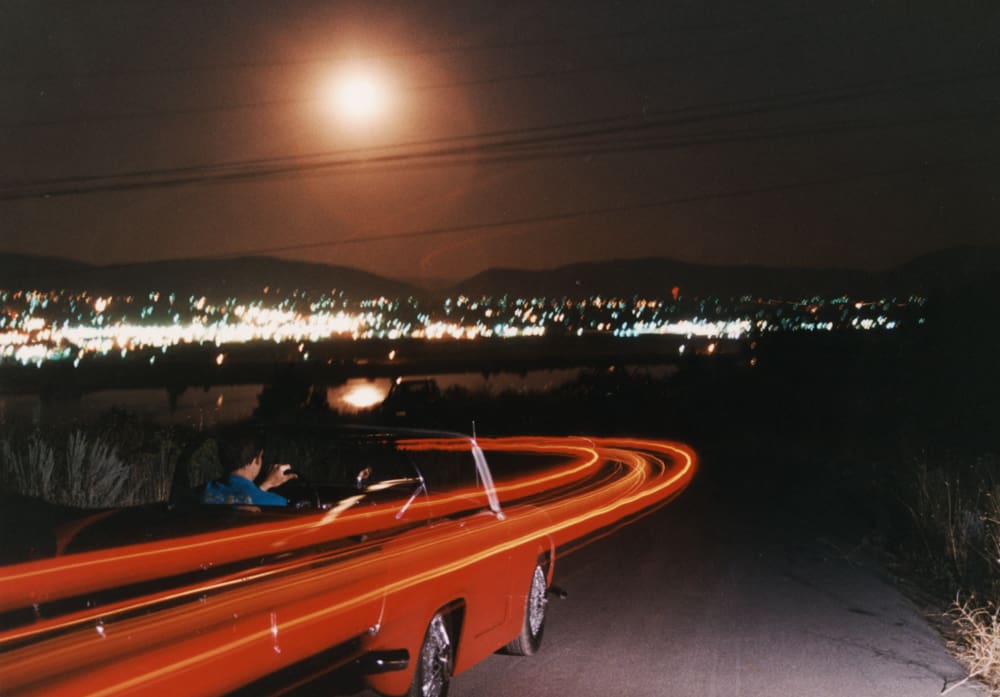
The interchangeable lens camera gave me license to explore the world with my eyes and my creativity. I tried a lot of experimental photography, this is an auto self-portrait (1988).
If you are interested in purchasing a new camera I’ve got just the guide for you. The 2026 Camera Buyer’s Guide is now available for free from my shop. This is my yearly gift to all new photographers and anyone looking to upgrade cameras.
I’m not working with any of the manufacturers, I’m not sponsored, I don’t have affiliate links, I don’t have a patreon account, there is no advertising and there is no secret agenda. I just want to put out an honest look at the cameras available and lend some helpful advice so that you can make a smart camera choice; one that will match you up with a camera that fits your needs, your future, and your budget.
Become part of John’s inner circle
Sign up for the newsletter here — it’s free.
Want to become a better photographer?
Check out John’s selection of photography and camera classes here.