This month I’m pleased to release my latest course — Focusing & Sharpness: The Complete Guide. Beyond my many Complete Camera Guides that I create, this is only my third complete guide on a more general photography topic. This one is a big deal for me, and maybe for you, because it’s a very in-depth course on a very important topic.
My two previous Complete Guides, are Photographic Exposure and Tilt/Shift Photography; both of which were major undertakings that took years to make. The new Focusing and Sharpness course is no different; I’ve been working on it for as long as I can remember. To be honest, I was hoping to make it available soon after the Photographic Exposure course came out in 2022, but travel in 2023 and the production of several Complete Lens Guides in 2024 forced a delay.

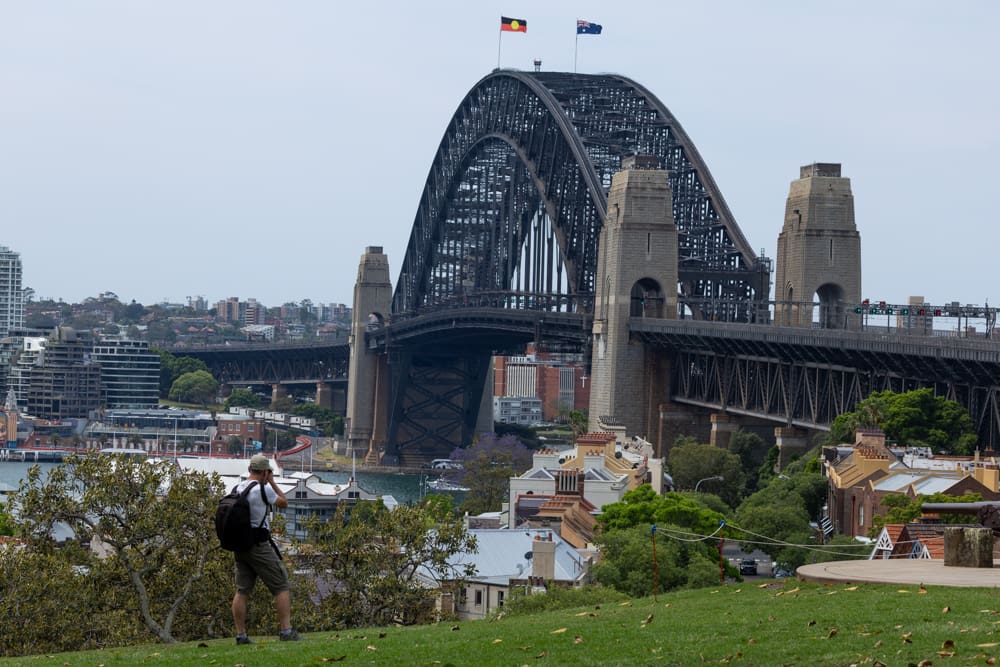
FUJIFILM GFX100II, GF 110MM F/2.0 L R LM WR @ 110mm | F/2.0 | 1/100 SEC | ISO 200
Another cause for postponement was the anticipation of the R1 release from Canon. Having seen what Nikon was able to do with Z9 and Sony with the A7RV and A1 II, I knew that amazing advancements and new features were on the horizon. I wanted to make sure that this new focus course included relevant information on all major brands of cameras as well as the latest features on the top-of-the-line models.
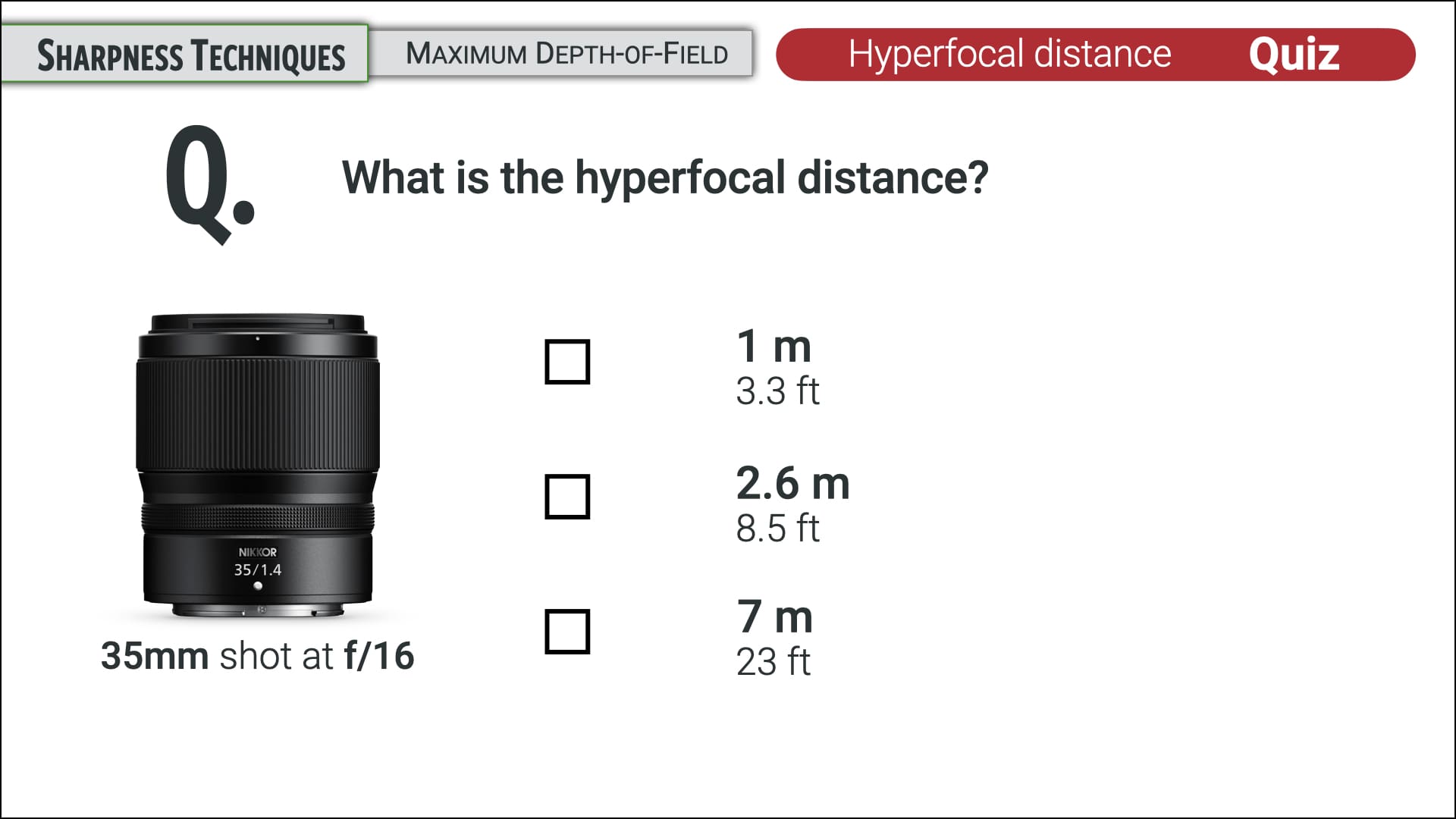
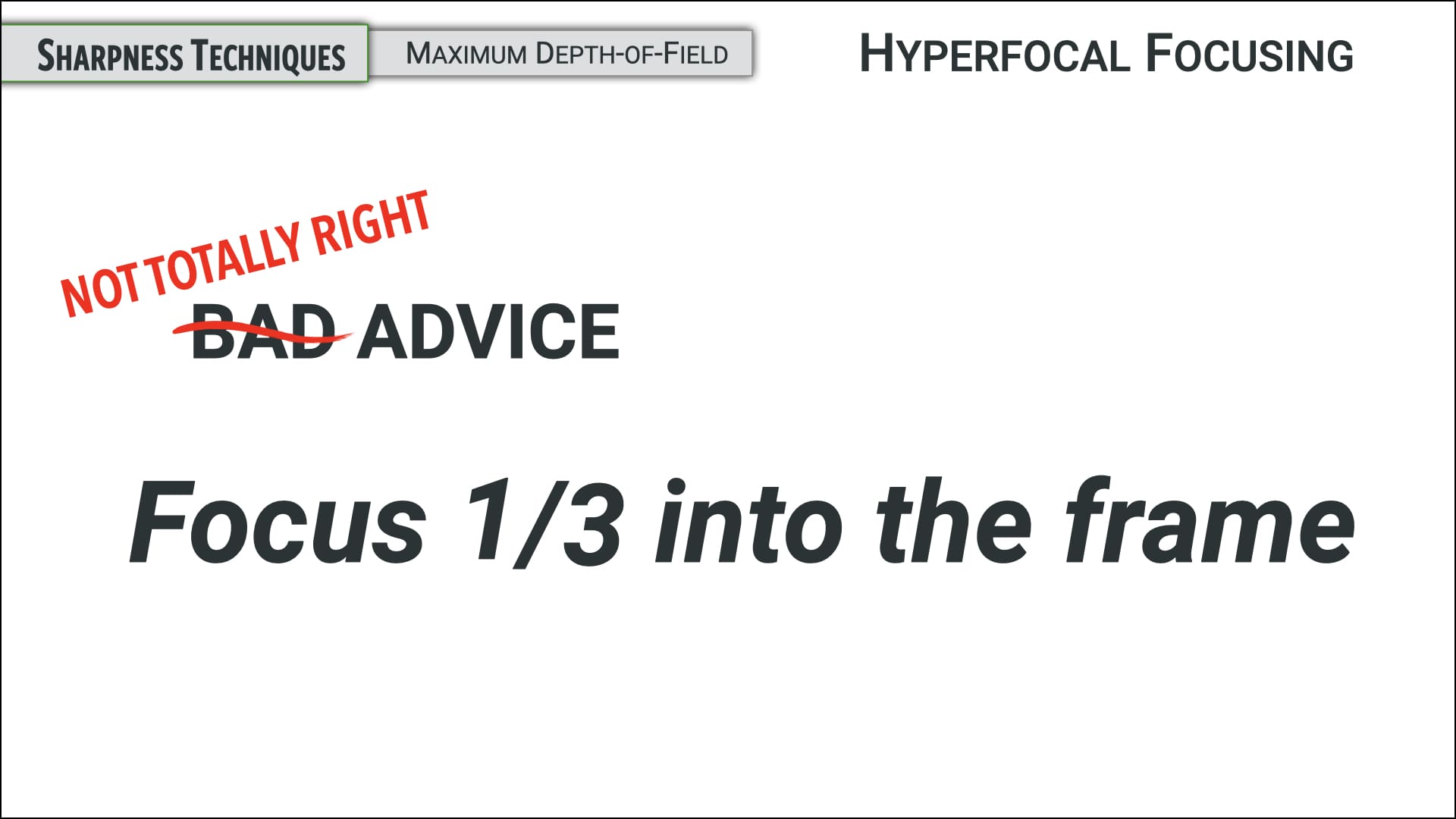
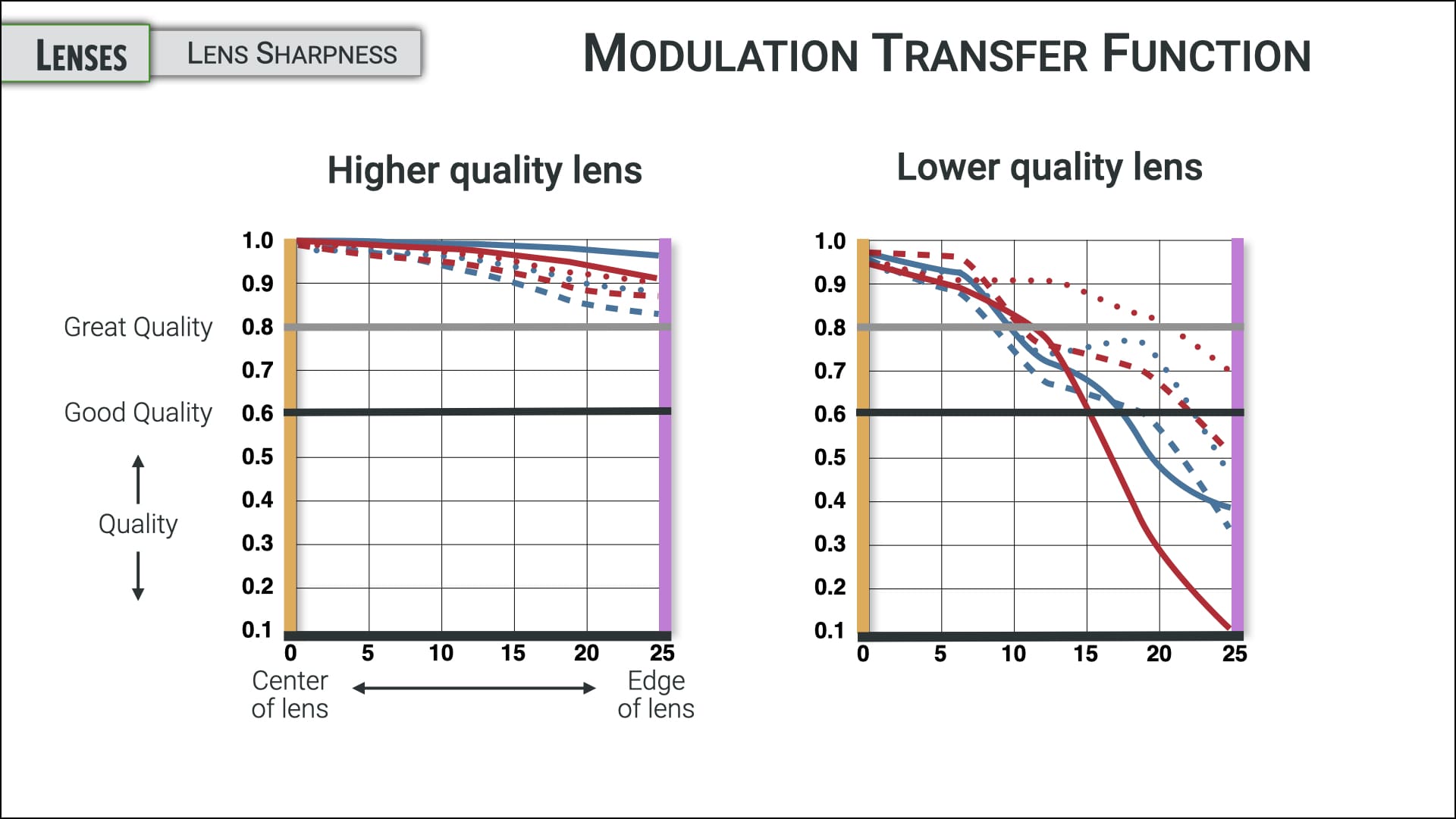
The Focusing and Sharpness course is part of a notable collection of critical photographic courses that I’m creating to support photographers that are willing to put in the time and effort necessary to master the craft of photography. This is a very long and in-depth course (8 hours, 40 min) designed for all levels of photographers wanting to take a deep dive into one of the most important tasks in photography.
Retro-focus
Throughout my years of photography I’ve known the importance of focus and getting it right, in the camera, before the shot is taken. In my very early days of photography, I made a foolish attempt to readjust the focusing knob on the darkroom enlarger; I wanted to see if I could retroactively take an out-of-focus negative and obtain a sharp image. Of course… it didn’t work.
From my time shooting black and white negatives, color slides, and onto digital, I’ve experienced the pain of a well exposed, perfectly timed, slightly out-of-focused photograph. I know many of you share my pain when zooming in only to discover that the eyes, or other key focal-point is not in sharp focus. That out-of-focus image makes your heart sink because you know there is no fix, no repair, no post-production trick that will turn it sharp.
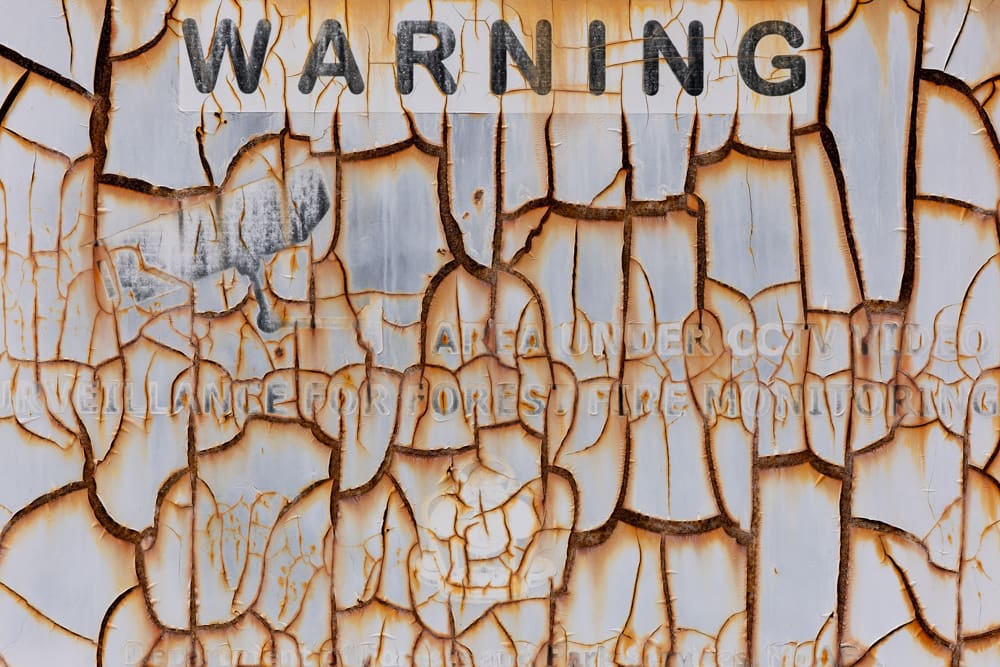
CANON EOS R1, RF 85MM F/2.0 MACRO IS STM @ 85mm | F/8 | 1/80 SEC | ISO 100
Many years ago I watched a presentation by a leading photographic technology company claiming that they were working on a new retro-focus technology that would allow users to correct focus in post-production. They had plans for two slider controls, one for near-to-far focus and another for depth-of-field. In theory, if you missed focus, you could slide a couple of sliders and fix your image.
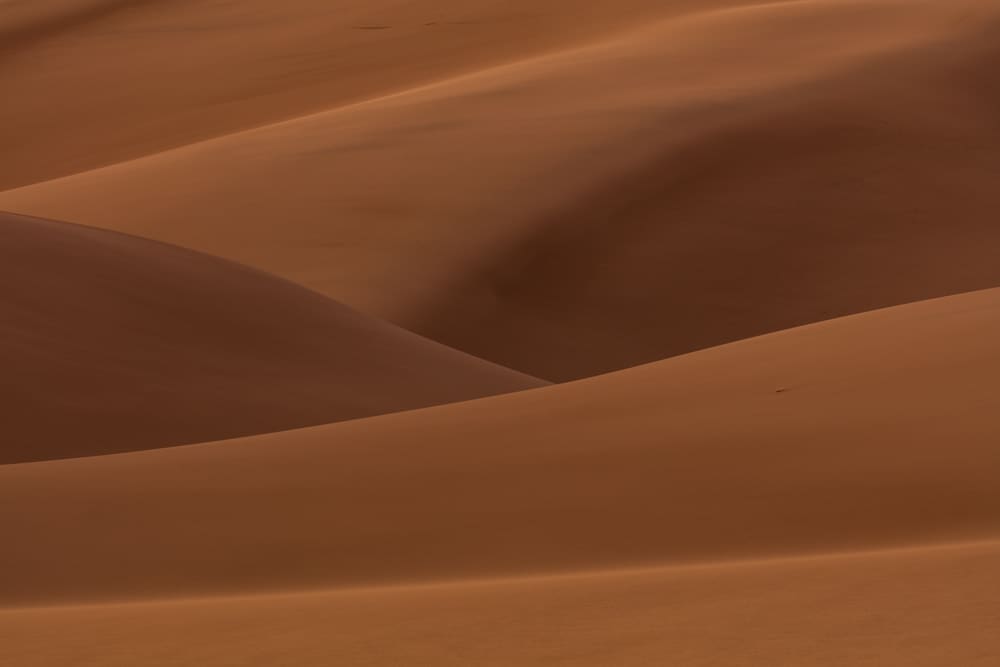
CANON EOS 5DS R, EF 100-400MM F/4.5-5.6L IS II USM @ 170mm | F/16 | 0.5 SEC | ISO 100
Maybe they were just getting ahead of themselves and imagining what the ultimate software layout of controls for a photographer might be like. They clearly didn’t know what was technically possible in terms of fixing an out-of-focus image. It’s been more than two decades since I saw that demonstration and current sharpening programs are good for upscaling sharp images but don’t work at all with out-of-focus images.
Let’s Enhance
An old, but favorite, YouTube video of mine is called Let’s Enhance — look it up for an entertaining two minutes. It’s a montage of clips from police, sci-fi, and other shows where computer operators try to improve the quality of grainy or out-of-focus images. With their magical computers, they are able to zoom in and just “enhance” any part of the image they want. With image enhancers and bitmap programs and just the right illumination algorithm, it would seem that you can take any image and turn it into a sharp, highly-detailed, image that will clearly show who committed the murder in Act 1 of your story.
This artistic license, with the very real technology that we work with, has lead some naive or very new photographers to incorrect ideas about how photographic sharpness and resolution works, and what is possible in the post-production process.
Adobe Photoshop is more than 35 years old, and they have made virtually zero progress in giving photographers control over focusing. Yes, you can add a bit of sharping to accommodate your output needs, but it’s minuscule in how it affects the overall focus of your shot.
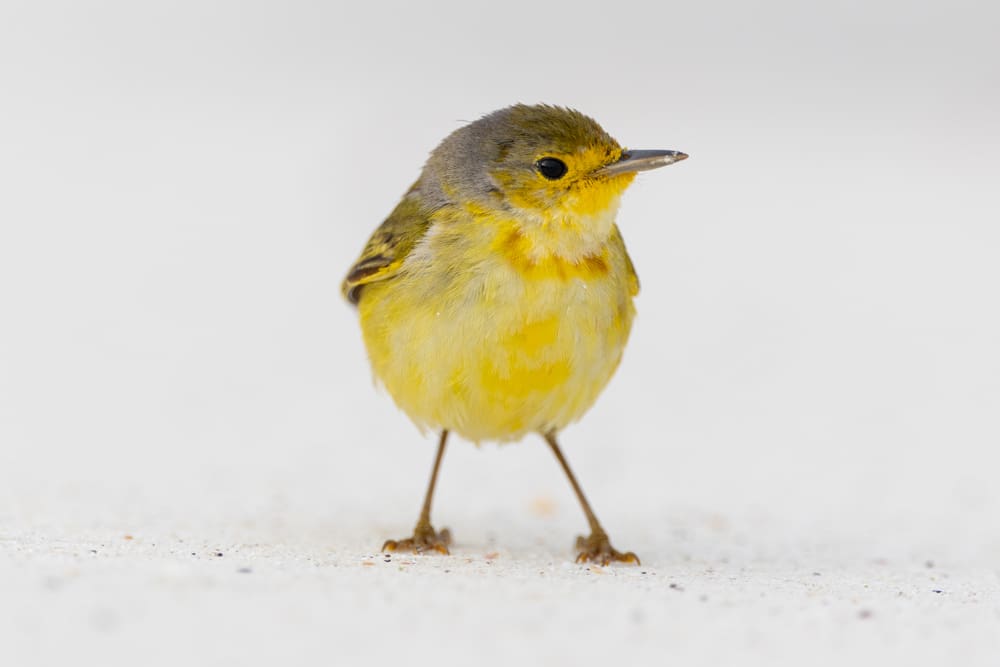
CANON EOS R7, RF 100-300MM F/2.8L IS USM + EXTENDER 1.4X @ 338MM | F/4.0 | 1/1000 SEC | ISO 400
AI to the rescue
It seems that artificial intelligence is the one great entity that seems destined to either save or destroy society. Can AI fix an out-of-focus image? Maybe. We know that AI can create mostly photo-realistic images. Current AI imagery isn’t fully there yet, in my opinion. I see a lot of AI “photos” that fall into the uncanny valley of awkwardness. Images of landscapes are just a little too perfect and colorful, images of people frequently lack texture and real-world imperfection.
Imagine a photo that you took of your best friend — this photo is out-of-focus because the camera inadvertently moved during the exposure, resulting in a blurry photograph. Now, suppose you take that out-of-focus image and send it through an AI retro-focus program. What would AI do? AI would take the information it was given and extrapolate what it might look like if it were sharper.
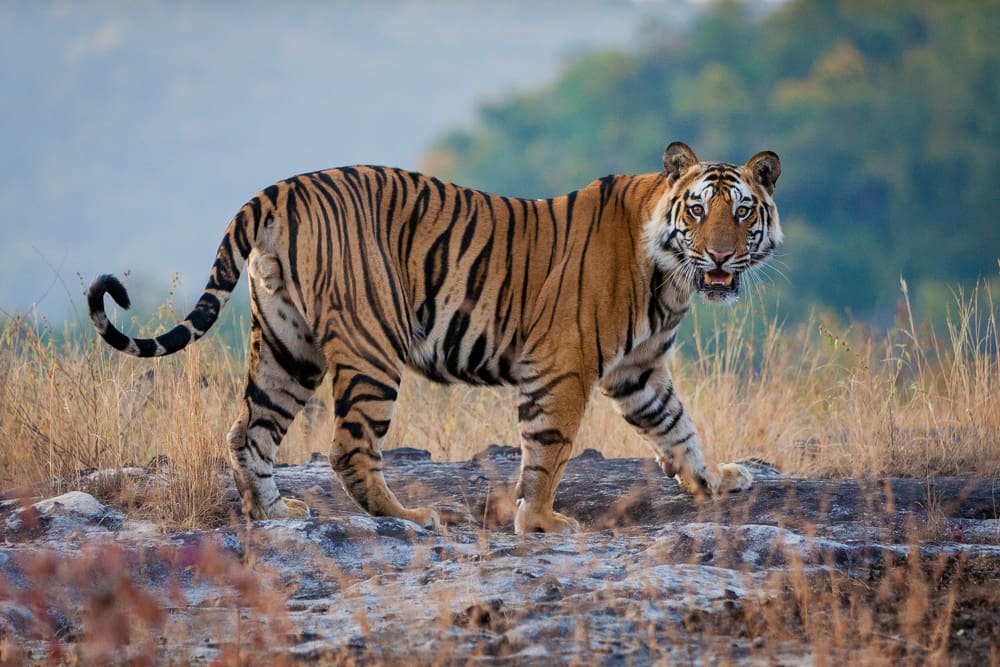
CANON EOS 5D, EF 70-200MM F/2.8L IS USM @ 180MM | F/2.8 | 1/1250 SEC | ISO 400
In short, AI makes up information based on other information to determine a new outcome.
For instance, AI would take the color of clothing and create clothes of that color that may, or may not, be the style your friend was wearing. If the AI program doesn’t know what the facial features are, it just makes up what a realistic human face might look like. You’d end up with a photo with a human wearing somewhat similar clothing to your friends, with a human face that may, or may not, look like your friend. And as aways, they may even end up with four to seven fingers on each hand.
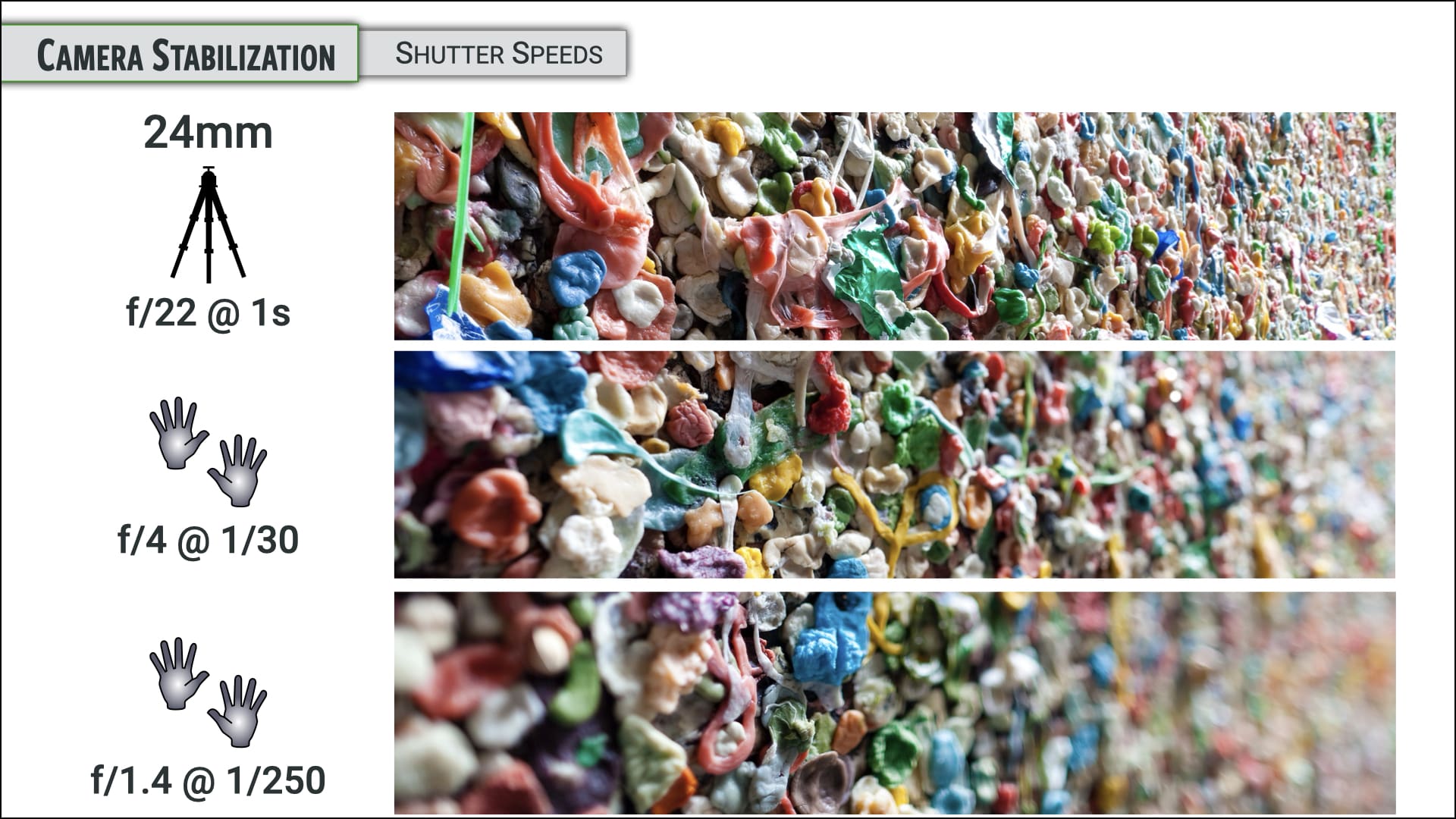
It’s possible a more advanced AI program could produce more realistic results if it were given enough data. You might need to input the original out-of-focus image, include other images containing clear face shots of your subject, 3-D photographs from clothing retailers of all clothing worn, and a variety of images from the location of the photograph, perhaps from Google Maps or real estate photos if taken inside. With all that information sent through a state-of-the-art bit-mapped illumination algorithm (that doesn’t really exist), just maybe you could fix an out-of-focus image. Or, just hear me out — you could try to take an in-focus picture to begin with. This situation could have been avoided by simply selecting a faster shutter speed, using a tripod, using lens or camera stabilization, or holding the camera steady.
On a related front, I’m currently very impressed with some of the available AI noise reduction programs. Reducing noise from an image taken at ISO 25,600 looks surprising good. This application works well provided your original image is in-focus. Out-of-focus images, however, inherently lack detail or in other words — data. Changing an out-of-focus image into an in-focus image requires data; and the question is — where is that data going to come from?
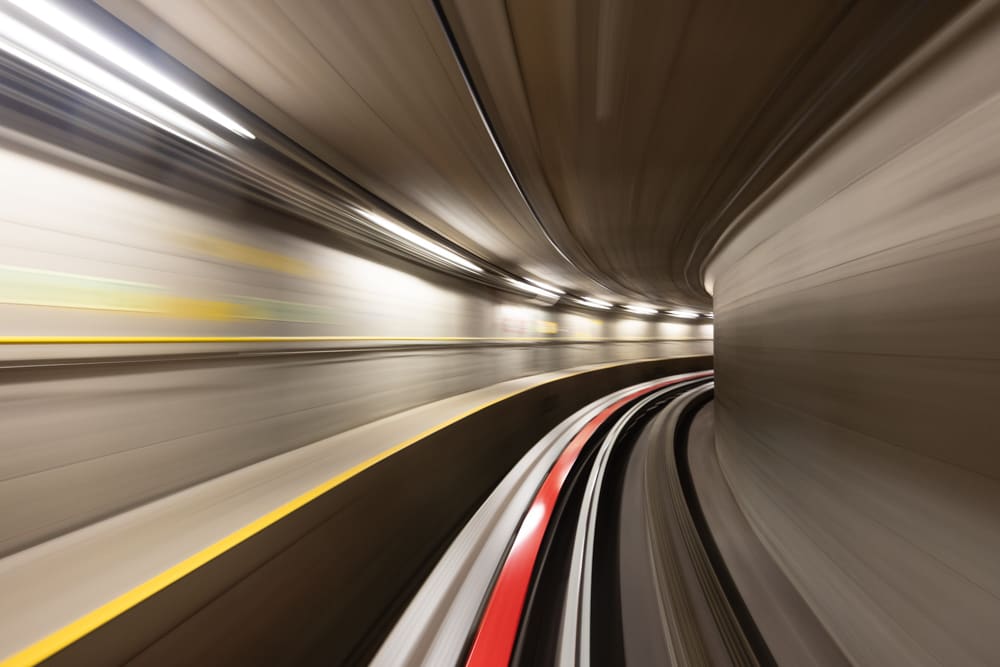
CANON EOS R5, RF 14-35MM F/4 L IS USM @ 14MM | F/4 | 1/4 SEC | ISO 800
Two courses in one
Originally I had designs for a course focused only on focusing. It seemed that there was more than enough to work with; between lenses, apertures, shutter speeds, and a variety of custom settings and options that control the modern day focusing system. Working with the material, the concept of sharpness kept seeping into the conversation. At first I thought I’d need to create a second course on achieving sharpness.
The techniques and tools for achieving proper focus and sharpness largely overlap, with a number of distinctions. In the end it felt more efficient and more complete to combine the two topics into one course; and that is how we’ve arrived at the title — Focusing and Sharpness: The Complete Guide.
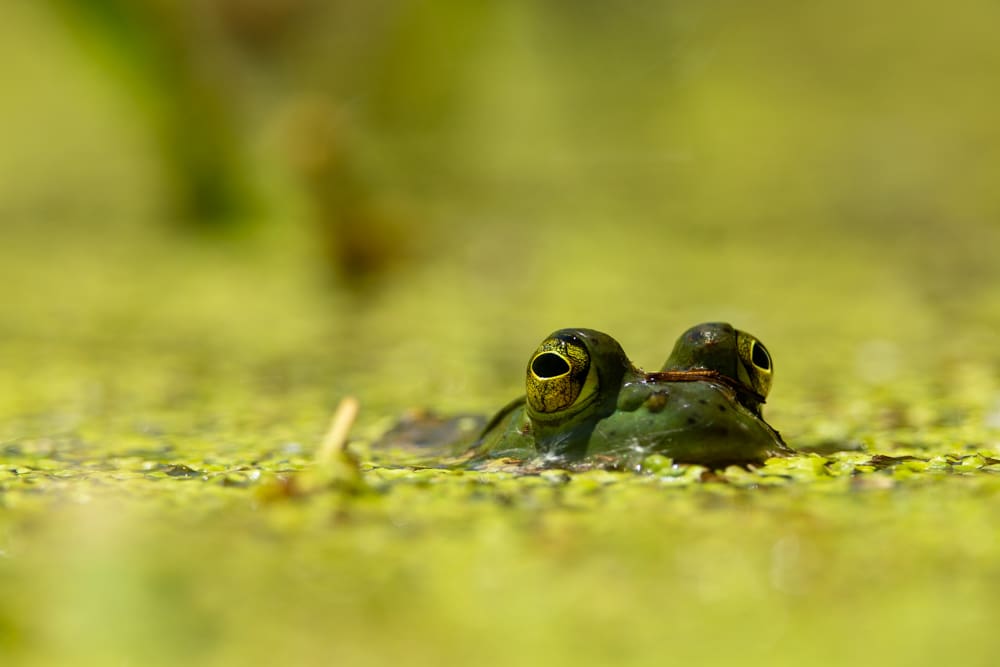
CANON EOS R1, RF 100-500MM F/4.5-7.1 L IS USM + EXTENDER 1.4X @ 700MM | F/11 | 1/200 SEC | ISO 400
My hope is that this course will be very helpful and practical to all photographers. I think there is more than enough information to keep many people coming back again and again to review sections; to pick up additional information that might have not been relevant the previous time around.
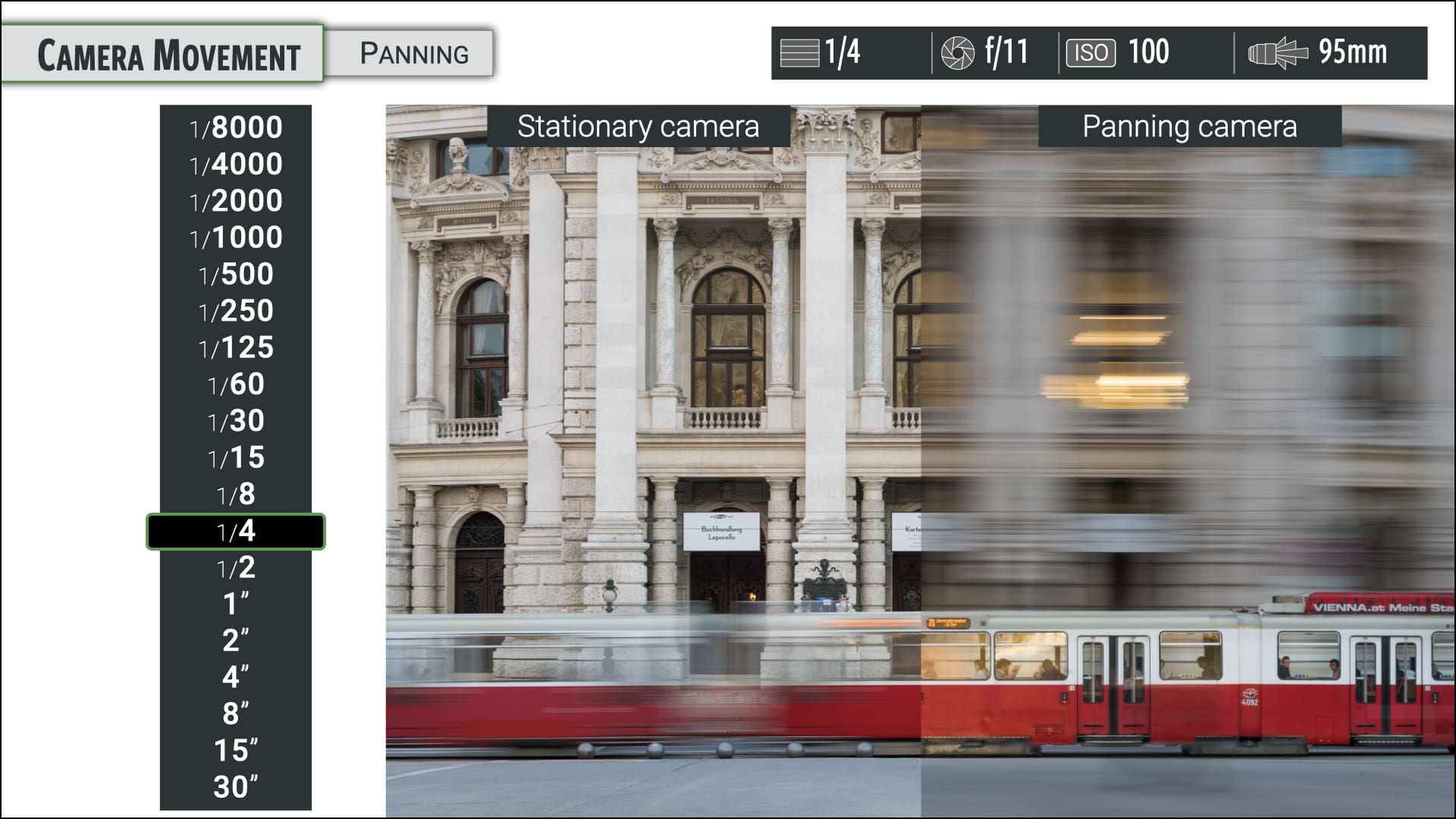
This course isn’t for a particular level of photographer because I cover entry level information as well as advanced professional techniques. Photographers pick up information in a variety of locations and you never know where one’s gaps in education are, so I’m covering the topic from beginning to end.
If it’s a John Greengo “Complete Guide”, it’s going to cover everything that I believe is relevant and important to the topic at hand. This Focus and Sharpness course is sure to provide you with new insights, new techniques, and perhaps a new higher standard for your own photography.

Become part of John’s inner circle
Sign up for the newsletter here — it’s free.
Want to become a better photographer?
Check out John’s selection of photography and camera classes here.